The Artificial Limbs project restores mobility and independence to those who have lost limbs due to illness, accidents, or conflict. By providing tailored prosthetics, we help beneficiaries regain confidence, perform daily tasks, and reclaim their dignity.
Support 50 People
$200
Support 100 People
$500
Support 200 People
$1,000
Artificial Limbs
23
Countries
8,905,882
wheelchairs distributed in 2024
9,805
Total Water Projects
Enabling Recovery
Artificial limbs and assistive devices (prostheses and orthoses) empower individuals with physical impairments to live with dignity, pursue education, and participate in the workforce. HHRD supports those who have lost limbs due to disasters, accidents, or congenital conditions. These devices restore independence, reduce reliance on long-term care, and help break the cycle of isolation and poverty.
As a leader to empower lives, creating opportunities and strengthen the bond of humanity.
Payment Frequency:
Edit
Payment Frequency
Stay Informed
FAQ
Find answers to common questions about how we provide artificial limbs and assistive devices, and how this support transforms lives.
What are prosthetics?
An artificial appliance which substitutes for an anatomically missing limb.
What are orthotics?
An artificial appliance that supports the body part for the purpose of stabilization, support or movement and prevention from and correction of deformities. HHRD uses braces to help patients regain mobility, in addition to phy
Costs?
$1,200 for a prosthetic, • $100 for an orthotic
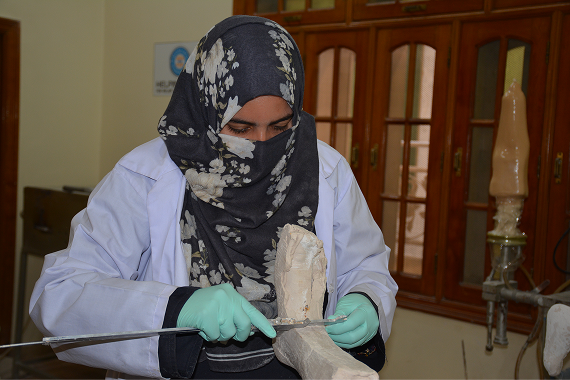
Who does the process?
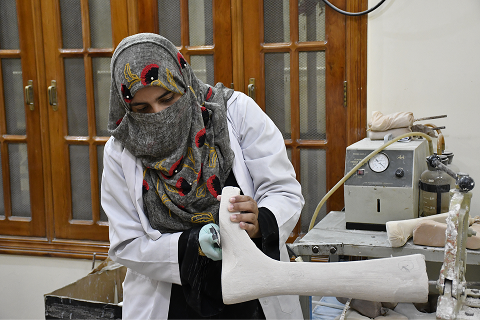
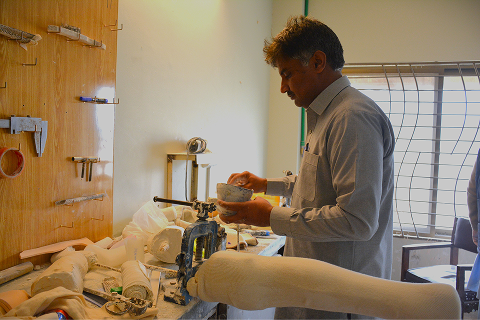
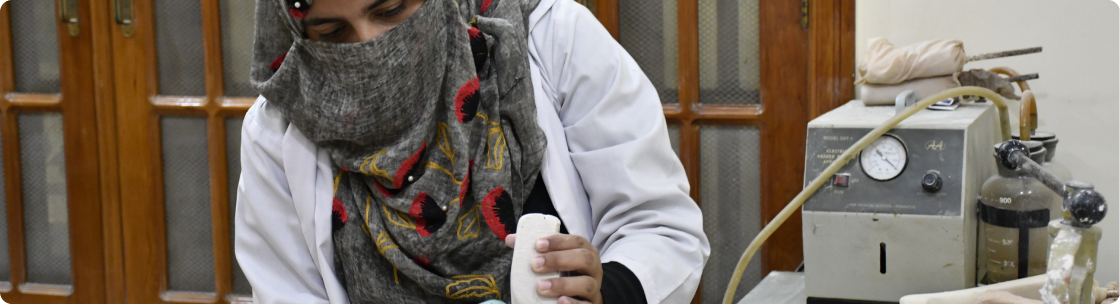
A beneficiary is supported by a team of specialists when they come to an HHRD CPRC for assistance. A doctor examines them, confirming their need for a specialized prosthetic or orthotic. Technicians then take measurements and hand craft an artificial limb or device to the individual patient’s specifications. Physical therapists help the individual learn to attach the artificial limb and practice using it. Follow up care is provided in the form of repair/maintenance and replacement to ensure that each beneficiary receives maximum support as per their needs over the period of time, as the body grows and needs adjustments.
Are those doctors and therapists qualified?
Yes, all of our doctors and therapists are qualified.
Where are the facilities that patients must go to?
Although, in Pakistan, the manufacturing units for prosthetics and orthotics are in CPRC Mansehra and Chakwal; however, the services are also extended to the patients attending other centers, through our outreach consulting services, In Afghanistan, the CPRC is in Kabul is equipped to provide these services.

 My HHRD Log In