 Just a moment while we get things ready for you.
Just a moment while we get things ready for you.
Just a moment while we get things ready for you.
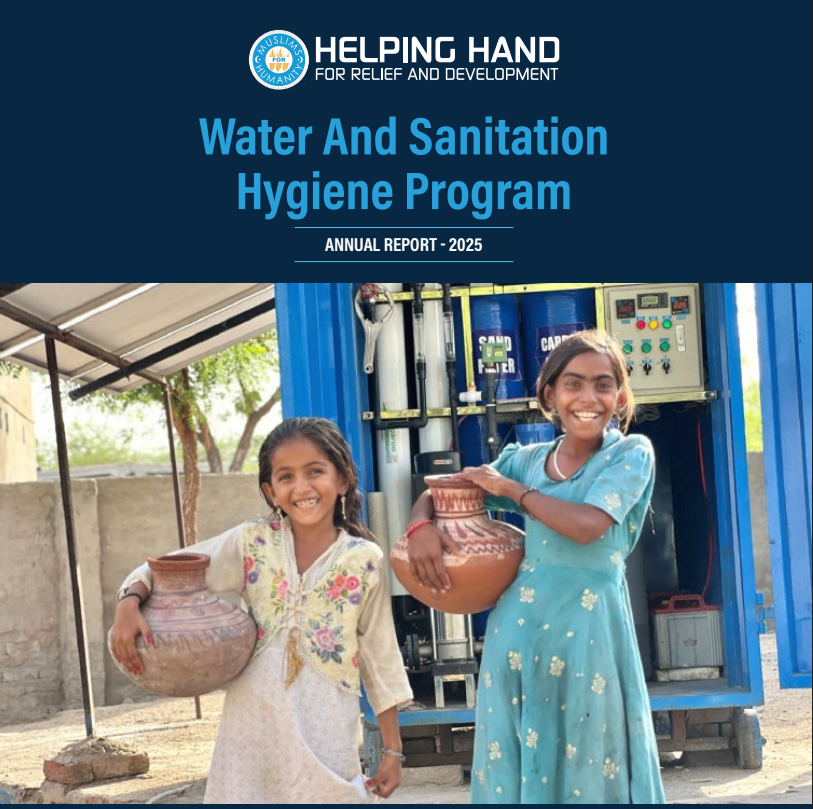
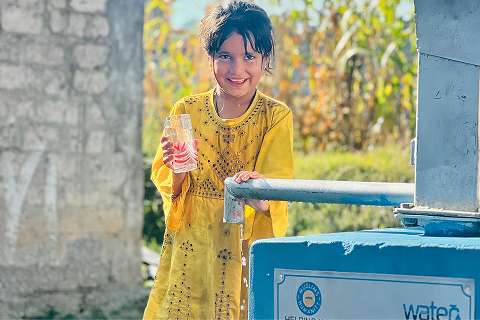
At Helping Hand for Relief and Development (HHRD), our Water, Sanitation, and Hygiene (WASH) program is built on one simple belief: there is no one-size-fits-all solution to water insecurity.
While others focus on delivering a single water solution (such as a well, hand pump, or water truck), HHRD takes a fundamentally different approach. We begin every WASH initiative with a comprehensive regional assessment to ensure the solution we implement will last.

total WASH Projects
Beneficiaries
Total Water Projects
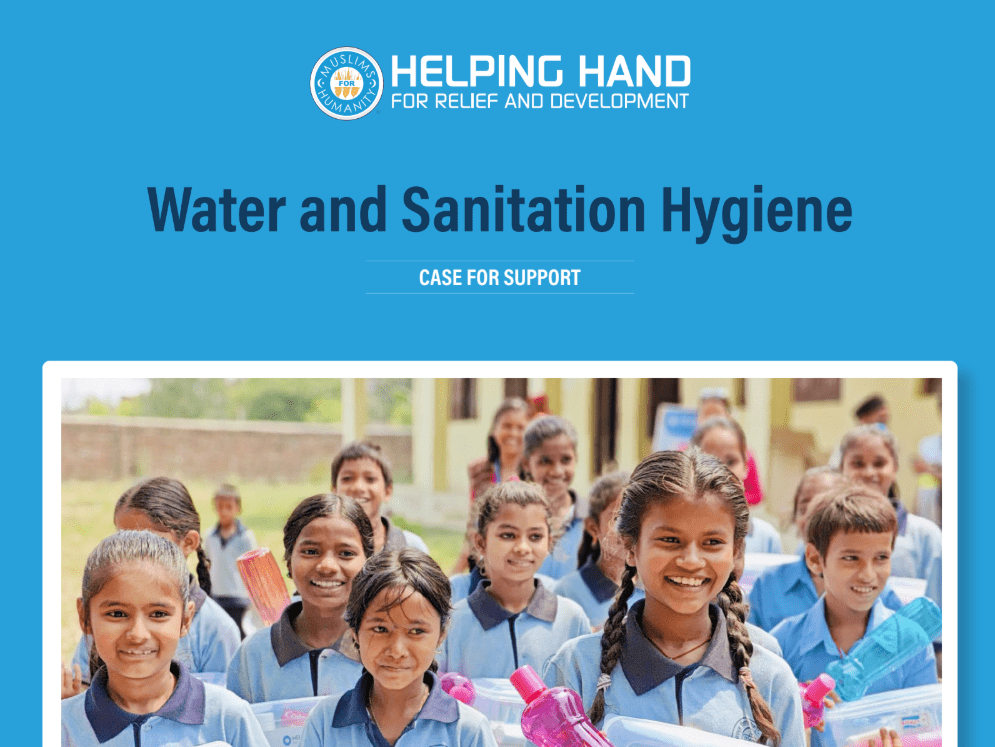
Clean water is only the beginning. HHRD’s WASH program integrates sanitation and hygiene education to address the root causes of water-borne disease, malnutrition, and environmental degradation.
Our holistic approach aims to improve public health and disease prevention, school attendance, especially for girls, economic stability by reducing time spent collecting water, and environmental sustainability through efficient systems. When water access is done right, entire communities thrive.
Provide clean water, support WASH today.
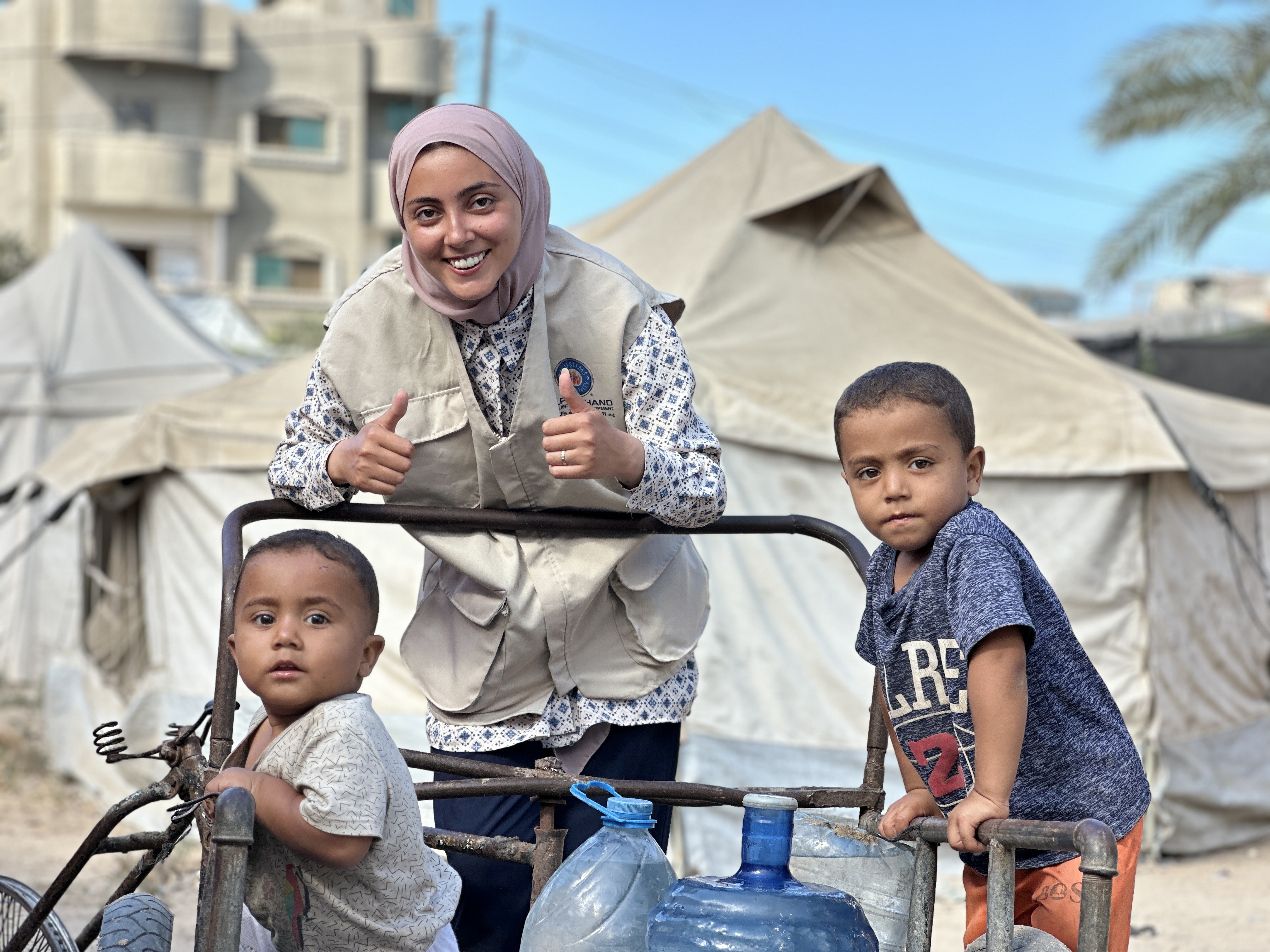
Before a single structure is built or a system is installed, HHRD works alongside local teams, engineers, and community leaders to understand the land itself.
Our assessments evaluate:
This careful evaluation allows us to determine what each region truly requires, rather than forcing a pre-selected solution onto a complex problem.
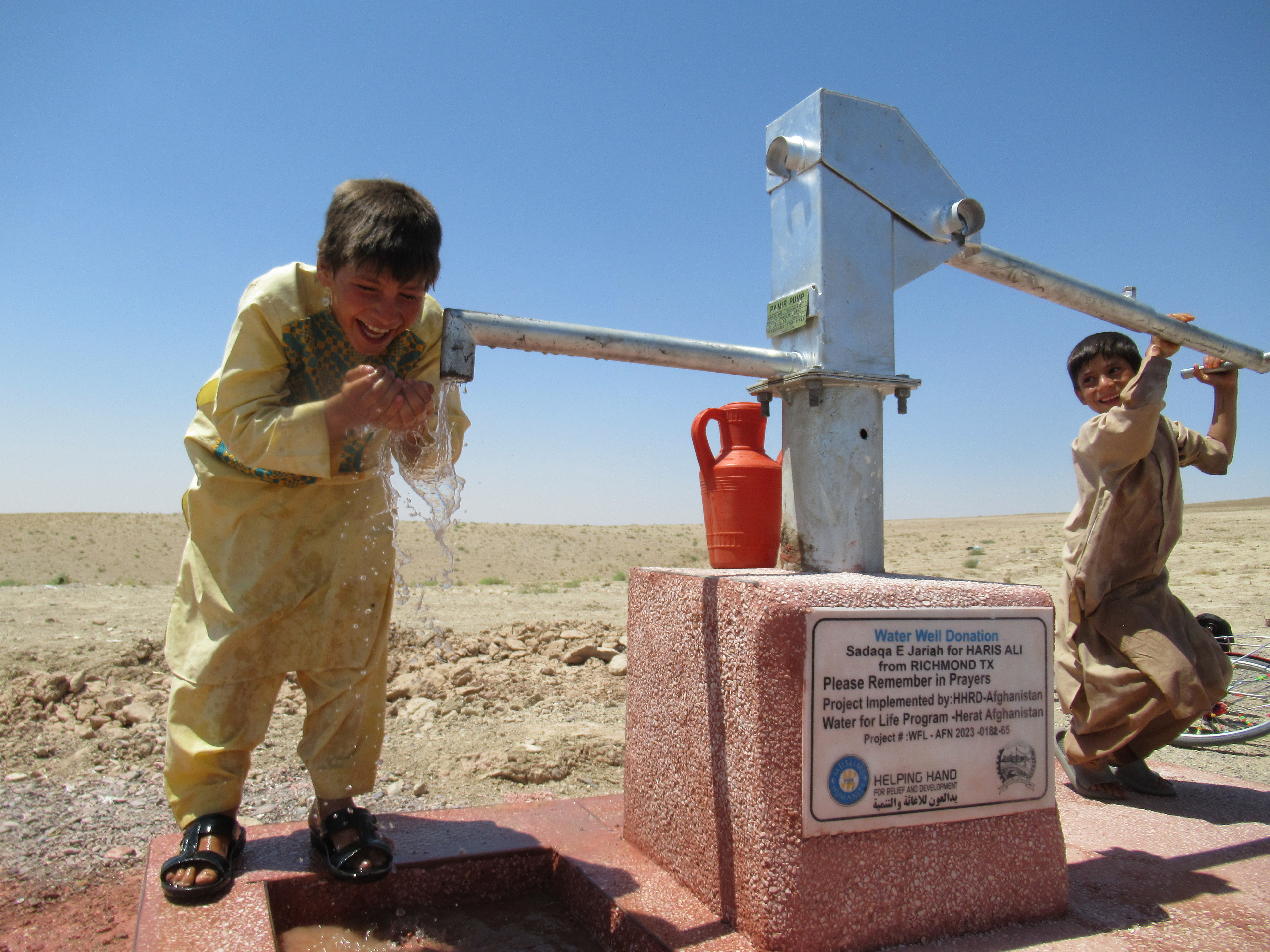
As a leader to empower lives, creating opportunities and strengthen the bond of humanity.
WASH stands for “Water and Sanitation Hygiene” and WFL stands for “Water for Life” WASH projects include providing sanitation thru access to basic toilets and latrines at schools, refugee camps, and rural villages; and hygiene thru projectssuch as Hand Wash Stands which promote better health through the practice of handwashing and cleanliness.
WFL projects include providing access to safe and clean water through theinstallation of Afrediv & Submersible Water Pumps, Shallow & Deep-Water Wells,Gravity Flow Water Projects, Water Filtration Plants to purify water, and other similar water infrastructure projects.
Yes. When sponsoring a complete project, donors can request a plaque bearing the name of the sponsor, or the names of the loved ones, be placed at the site so beneficiaries can pray for the sponsors of the project. (Please provide this information at the time of donation in the comments section, or write details on a
separate piece of paper if mailing a check.)
There are various opinions among respected Islamic Scholars about this. In areas hit by disasters and/or drought stricken, some Ulema-e-Karam (Scholars) allow the use of Zakat money for water projects. However, generally speaking, scholars do not allow water projects as Zakat eligible. HHRD does not spend general zakat donations on these projects, but if some donors send Zakat money for a water project, we do not object, as patrons are responsible for making this choice based on their own school of thought.
Projects usually take 3-10 months to complete. Timelines are dependent on each country’s project permitting process requirements and the site-selection process which involves finding suitable terrain with adequate water levels.
Usually, HHRD projects and programs are chosen based on already initiated emergency relief
efforts in the area. Whenever HHRD is involved in providing emergency relief services, WASH & WFL projects are considered wherever feasible, and needed, as long-term strategies. Often times, these projects require more effort and resources for proper implementation, which is reflected in the price and longer construction schedules of the WASH & WFL projects.
There are four main reasons for water paucity (shortage):
1. Arid weather
2. Drought–a period in which rainfall is much lower, and evaporation is higher than normal
3. Dehydration of the ground due deforestation and overgrazing by cattle; and
4. Water stress due to increasing numbers of people that rely on limited levels of run-of
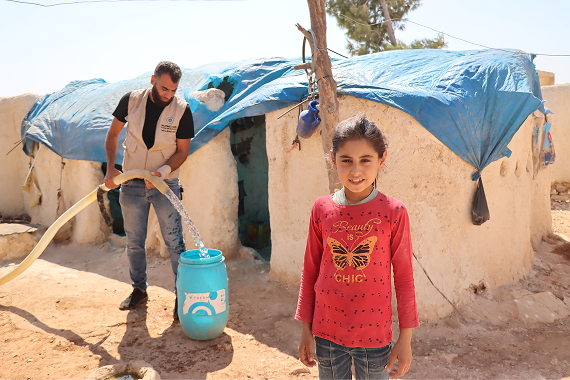
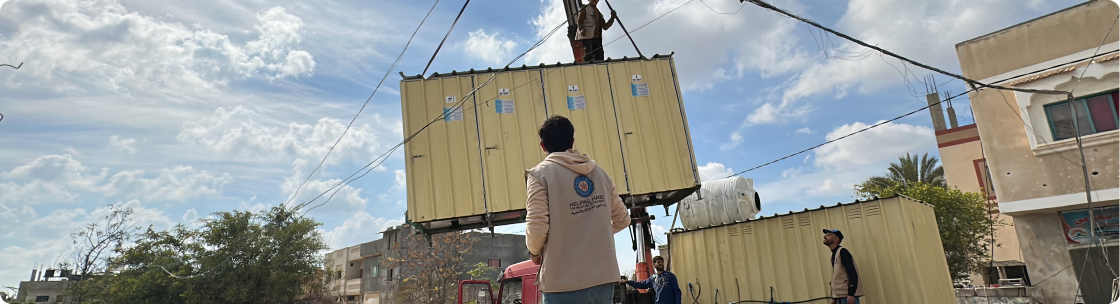
Usually, local HHRD country teams–with the help of credible contractors and suppliersimplement the projects. Sometimes collaboration is done with other reliable local NGOs, who may have better access to good vendors, contractors, and laborers to implement the projects. In such cases, HHRD teams monitor and evaluate the implementation of the projects.
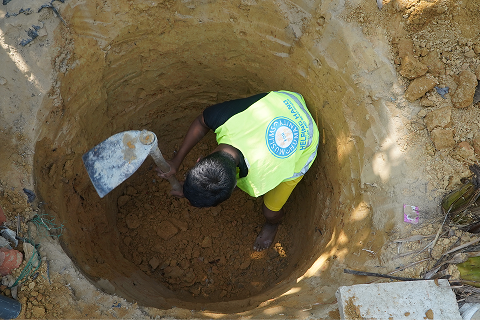
All water projects involve digging until a water source is discovered. On average, the life of the materials and the infrastructure can be 3 or more years, varying from project to project, country to country, and usage. Regular maintenance and replacement of materials can extend the life of these projects. Specific information about the lifespan of each type of project is given in the description of projects on our WASH-WFL webpage.
After providing maintenance training to local water committees and/or humanitarian forums, HHRD transfers the responsibility of maintenance and sustainability of WASH and WFL projects to the local community being served.
Yes. Local HHRD teams perform two water quality tests. One test is done before the start of a WFL project to test the soil of the area to determine the approximate quality of water at the source aquifer. After the water project is finished, another comprehensive water quality test is done, at a credible laboratory, to determine the safety of the drinking water, as per various international and national standards.
The cost of WASH & WFL projects are dependent on the terrain, soil conditions and digging requirements of the project site; easy availability of necessary materials; local availability of good & competitively priced vendors, suppliers, laborers and experienced contractors; regulations of the governments, etc. As such, project costs can fluctuate from region to region, country to country.
Yes. Each report includes pictures of the project and information about the host country. It may contain official documentation from the host country and photos of the handing over ceremony where the community takes ownership of the water project.
You can make a general donation, in any amount, to the general WASH/WFL fund. This
donation will be put towards any of the general projects being completed by HHRD. Or, you
can choose to sponsor a specific water project by donating the full cost of a selected project
in the country of your choice.

Processing...