
What is Zakat?
OVERVIEW
Zakat is the third pillar of Islam and a means of purifying one’s wealth. The Prophet Muhammad (PBUH) said, “Giving Zakat wipes away sins just as water extinguishes fire.” This obligatory charity protects the vulnerable, uplifts the needy, and brings believers closer to their Creator.
Step - 1 Enter your Zakatable Assets
Step - 2 Enter your Debts
Step - 3 Your Calculation
Click here to read our Zakat Policy
Why Give Zakat?
Zakat is more than charityit is a responsibility and a way to support those struggling with poverty, hunger, and crisis. Millions around the world depend on the generosity of believers to sustain life, and your Zakat is a powerful way to create real change while strengthening your imaan.
How HHRD Uses Your Zakat
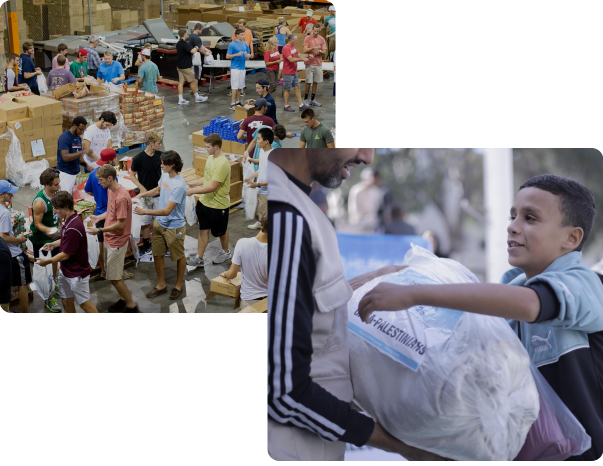
Zakat is more than charity it is a responsibility and a way to support those struggling with poverty, hunger, and crisis. Millions around the world depend on the generosity of believers to sustain life, and your Zakat is a powerful way to create real change while strengthening your imaan.
FAQ
As a leader to empower lives, creating opportunities and strengthen the bond of humanity.
How does HHRD handle Zakat funds?
HHRD treats Zakat as a sacred trust and manages Zakat donations separately from non-Zakat donations. Zakat funds are identified based on the donor’s designation, tracked through separate accounting cost centers, and used only for eligible recipients and purposes.
How does HHRD know whether a donation is Zakat?
HHRD relies on the donor’s instruction. If a donor designates a gift as Zakat, HHRD treats it as Zakat. If the donor’s instructions are unclear, HHRD seeks clarification and does not assume a contribution is Zakat without clear designation.
Who receives Zakat through HHRD?
HHRD applies Zakat primarily to poor and needy individuals and households facing poverty, deprivation, displacement, or financial hardship. Programs are reviewed to confirm that beneficiaries fall within recognized categories of Zakat eligibility.
Does HHRD only distribute Zakat as cash?
No. HHRD prioritizes direct transfer to eligible recipients where feasible, but it also uses Zakat for certain forms of structured assistance that provide direct and necessary benefit to eligible recipients, such as healthcare, education support, debt relief, shelter-related support, and similar services.
How quickly does HHRD distribute Zakat?
HHRD prioritizes timely disbursement and does not hold Zakat indefinitely. As a matter of practice, all Zakat funds are distributed within one calendar year of receipt.
What kinds of programs may be supported by Zakat?
Zakat-eligible programs include emergency relief, orphan support, education support, skills development and livelihood, healthcare and nutrition, children with disabilities, in-kind gifts, and seasonal programs. Not every HHRD program is funded by Zakat, and some programs may use Zakat only in limited cases or after additional screening.
Can Zakat be used for overhead or administrative costs?
Yes, but only in a limited way. HHRD recognizes that certain costs directly tied to the administration and disbursement of Zakat may fall under the Qur’anic category of al-‘āmilīn ‘alayhā. HHRD applies this category narrowly and limits Zakat used for overhead expenses to 12.5% or less. Those funds are used for salaries and related personnel costs directly connected to administering and delivering Zakat-eligible assistance.
What does HHRD not use Zakat for?
HHRD does not use Zakat for fundraising expenses, solicitation commissions, influencer or promotional arrangements, honorariums, or general institutional expenses that cannot be specifically allocated to Zakat-eligible work.
Is HHRD’s handling of Zakat audited?
Yes. HHRD’s financial transactions, including Zakat receipts and expenditures, are reviewed each fiscal year through an independent external audit.
Will donors receive reports on how their Zakat was used?
HHRD provides reporting through policy disclosures, financial controls, audited financial statements, campaign updates, and, for certain programs, donor-facing impact reports. Some designated or sponsorship-based projects may include individualized or project-level reporting, though not every Zakat donation will produce a personalized report tied to a single recipient or transaction.
Who must pay Zakat & how is it calculated?
Every adult Muslim whose wealth remains above the Nisab threshold (85 g gold or 595 g silver) for one full lunar year must pay Zakat. The standard rate is 2.5% of Zakatable assets, which commonly include cash, gold, silver, stocks, business inventory, and similar holdings.
What assets are Zakatable and how do I treat different investments?
- Cash, gold, silver: Count current holdings; pay 2.5%.
- Stocks & dividends: Pay 2.5% on the market value of stocks at your Zakat date. Dividends are added to cash and Zakatable if held a year. Short-term trading is treated like inventory (full value is Zakatable).
- Retirement accounts (401(k)/IRA): Zakat depends on accessibility. For traditional plans, Zakat is generally due on the portion you can withdraw penalty-free (some scholars advise annual Zakat on the full balance after deducting expected penalties/taxes). For Roth accounts, the full balance may be Zakatable if above Nisab.
- Real estate & rentals: No Zakat on your primary home. Zakat is due on rental income (after allowable expenses) and on properties held for resale (market value).
- Cryptocurrency: Treated like cash/stocks — if held one lunar year above Nisab, pay 2.5% of market value. Active traders should Zakat the full portfolio; long-term holders Zakat the total value at the due date.
Can I pay Zakat in installments?
Yes. Although due annually, many donors prepay monthly or quarterly. HHRD offers automated options to help you fulfill your obligation consistently.a
Can Zakat be used for administrative costs?
Yes, but only as allowed by Islamic guidelines. The Qur’an specifies a portion may go to those who administer Zakat. HHRD ensures administrative charges are minimal and limited to essential processing, audits, and distribution costs, with full transparency provided in donor reports.
Which HHRD programs accept Zakat?
Zakat may fund programs that directly benefit eligible (usually Muslim) recipients:
- Emergency & disaster relief for Muslim beneficiaries (food, shelter, medical aid)
- Orphan Support (education, food, healthcare, essential needs; funds used for services rather than cash transfers)
- Education (tuition, books, supplies — payments ideally directed to institutions)
- Livelihood & skills programs (vocational training, small business support)
- Healthcare (surgeries, medicines, rehabilitation, prosthetics)
- Water, sanitation & hygiene projects that serve Zakat-eligible communities
- Youth empowerment (training, mentorship, internships for needy Muslim youth)
- Shelter relief (homes/shelters for displaced/impoverished Muslims)
- Legal aid, advocacy, and social-justice work that directly benefits disadvantaged Muslims
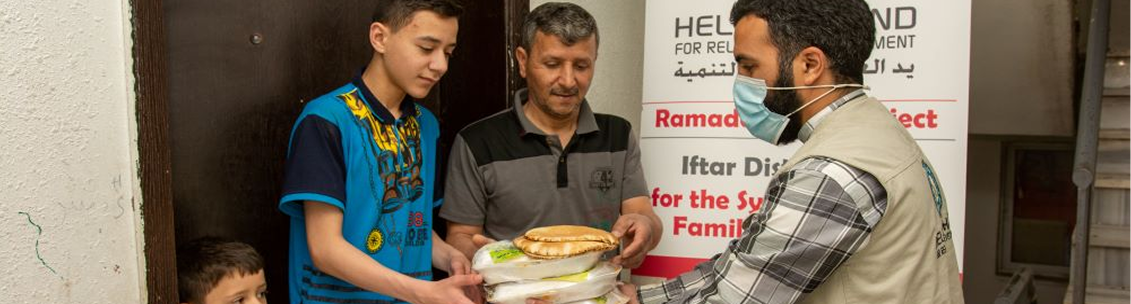
- Seasonal relief (Ramadan food packs, Eid-ul-Fitr meals, winter aid). Note: Qurbani (Eid-ul-Adha sacrifice) is not Zakat and should be funded via general donations.
For non-Muslim beneficiaries, HHRD uses Sadaqah and other general funds unless no alternative funds exist and strict eligibility checks are met.
Can Zakat pay off someone’s debts, student loans or medical bills?
Yes — if the person qualifies as a debtor (gharim) under Zakat rules: they must be genuinely unable to meet basic needs and remain below Nisab after accounting for essential living costs. Loans taken for business expansion by otherwise asset-rich individuals do not qualify.
Can I give Zakat to family members?
Yes, with conditions: Zakat may be given to relatives who are eligible (siblings, uncles, aunts, cousins, in-laws, etc.). It cannot be given to direct dependents you are already obliged to support (parents, children, grandchildren). A wife may give Zakat to a needy husband; a husband may not give Zakat to his wife.
How do we ensure Zakat is used correctly?
HHRD follows Islamic guidelines and strict beneficiary screening. Funds are routed to programmatic services (fees, supplies, treatment, training, etc.) rather than unrestricted cash where appropriate. For cases involving non-Muslim guardians or complex situations, HHRD applies safeguards to ensure proper use.
Special-case guidance & fairness safeguards
- Zakat is reserved for those truly in need; it is not for those with significant assets who temporarily owe debts for business purposes.
- HHRD maintains minimal administrative cost allocation and delivers regular reports to donors for full transparency.