HHRD’s Shelter Relief program provides a lifeline when disaster strikes, offering a range of housing solutions from temporary shelter to permanent homes. We help displaced families by providing and building safe, stable structures such as tents, bamboo houses, and semi-permanent homes, ensuring a path to a dignified recovery.
Years and Counting
Total Beneficiaries
Structures Built
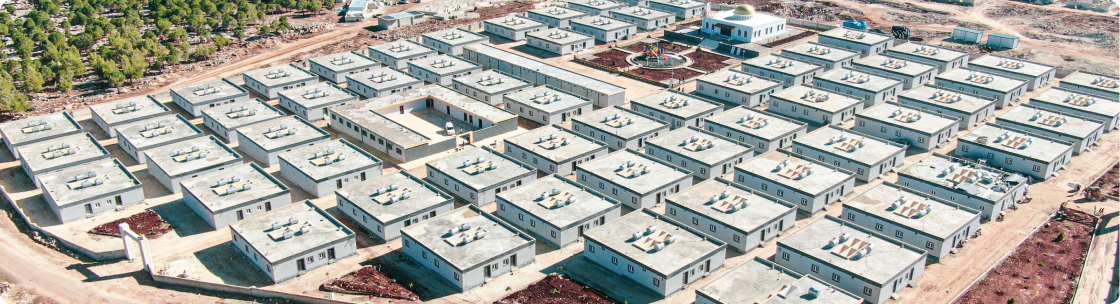
In the wake of disaster and displacement, the Shelter Relief program offers more than wallsβit offers dignity, safety, and a renewed hope. From refugee camps in Jordan to earthquake-stricken villages in Syria and Morocco, we build homes that become sanctuaries. Each shelter is a testament to compassion: solar-powered, water-secure, and designed for families to heal, learn, and grow.
As a leader to empower lives, creating opportunities and strengthen the bond of humanity.
Since the beneficiaries are extremely poor, most of the scholars allow Zakat to be used for this project.
There has to be a man-made or natural disaster which would have caused
migration/displacement of the victims. HHRD takes many factors into account
including donor interest, local need and potential impact.
Beneficiaries are selected based on these criteria: number of family members, number of children, number of vulnerable family members including those with disabilities and the elderly.
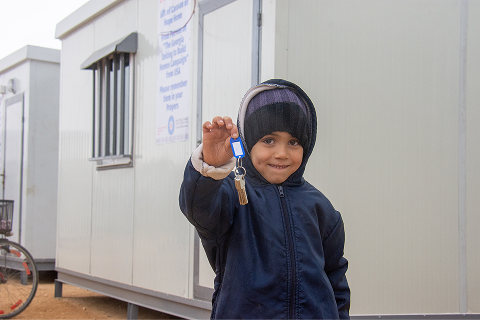
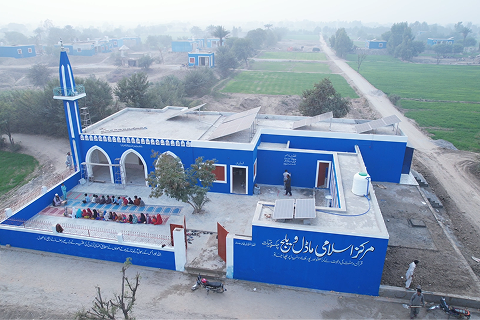
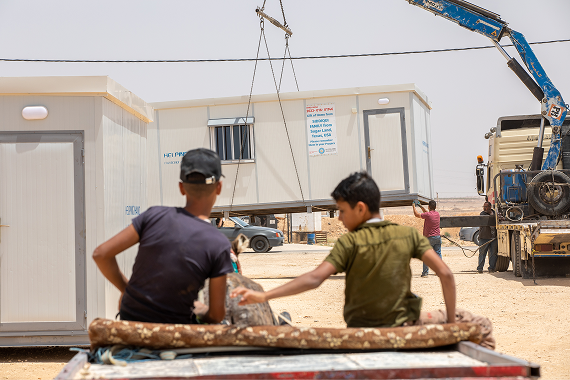
There are Caravan homes provided to the Syrian refugees in the deserts and/or camps. These Caravans are manufactured in a factory and are transported to the sites. The shelter homes for Rohingya Refugees are built with bamboo and tarpaulin in the camps. Brick and mortal homes are built for Pakistan flood victims at the sites of their destroyed homes. In Morocco and Northern Syria, permanent homes are available in model villages.
HHRD employees are not allowed to take part/benefit in any financial activity. They are there to manage the entire processes.
The donation will be directed to the area of greatest need.
It depends. Most of the time the beneficiaries find their new homes close to their existing temporary places.
Yes, wherever possible, we help get the electric connection. Other places, solar panels are provided for solar energy. Water tanks are filled regularly in the desert and hand pumps are provided in the camps.


We deliver both immediate aid and long-term solutions in regions like Bangladesh, Jordan, Lebanon, and Gaza, serving populations including Syrian Refugees, Palestinians, and Rohingya who often live in poorly constructed camp structures.
Our Work