Helping Hand

ANNOUNCEMENT
🀲 Emergency Aid for Gaza: One Ummah, Together We Stand Donate Now
πŸ’§ Water for Tomorrow: Safe Water for 9 Countries – Donate Today! Donate Now πŸ’§
πŸ‘§πŸ½ Empower Orphans: Sponsor a Child, Follow the Sunnah of the Prophet ο·Ί Donate Now πŸ‘§πŸ½
ANNOUNCEMENT
🀲 Emergency Aid for Gaza: One Ummah, Together We Stand Donate Now
πŸ’§ Water for Tomorrow: Safe Water for 9 Countries Donate Now
πŸ‘§πŸ½ Empower Orphans: Sponsor a Child, Follow the Sunnah of the Prophet ο·Ί Donate Now

Skills, Opportunity,
and Self-Sufficiency

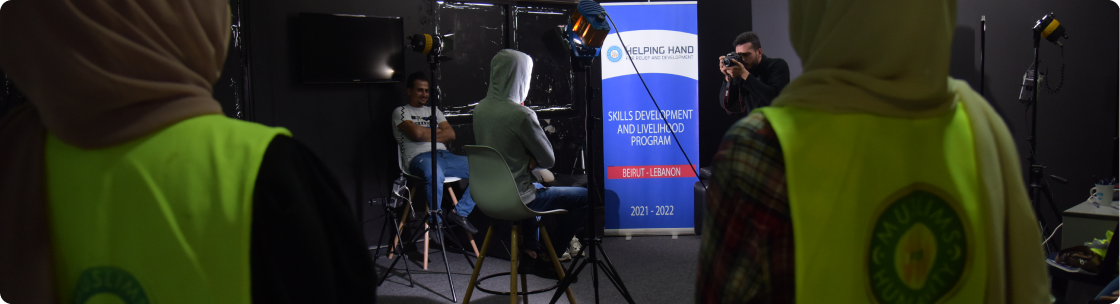
HHRD’s Skills Development & Livelihood Program equips individualsβ€”especially women, youth, and refugeesβ€”with the tools they need to break the cycle of poverty. Through vocational training, business development support, and income-generating opportunities, we help vulnerable families stand on their own feet and build brighter, self-sustaining futures.

Skills Development and Livelihood

22

Years and Counting

10,275

Beneficiaries

60+

Unique Training Courses

A Skill Attained Is Dignity Gained

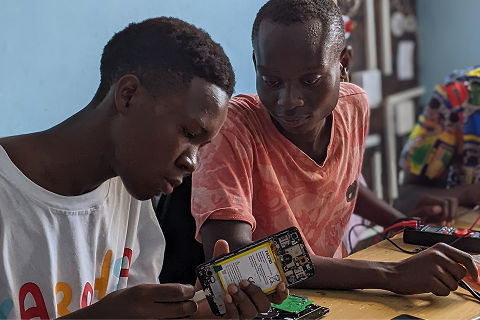
Skills Development offers courses ranging from tailoring and mobile repair to digital marketing and solar installation. Graduates often receive business startup kits and market linkage support. Classes are open to older teens in the Orphan Support program and disaster-affected communities served by Emergency Relief.

Donate Now!

As a leader to empower lives, creating opportunities and strengthen the bond of humanity.

Stay Informed

FAQ

As a leader to empower lives, creating opportunities and strengthen the bond of humanity.

Is my donation Zakat eligible?

Yes. Just like other HHRD programs, the Skills Development and Livelihood Program is geared toward the poor and needy. We aspire to increase our students’ economic situation from those who are eligible to receive zakat to those who pay and give zakat on their own.

We have three basic ways we choose countries.

  1. Countries in which HHRD already has an established presence. This usually comes through
    other HHRD programs such as the Orphan Support Program or Water and Sanitation Hygiene.
  2. Countries where we have responded to an emergency and HHRD is seeking to establish
    developmental programs to help residents recover.
  3. Countries that are referred to us by local organizations or other countries that we work with.Β 

Needs assessments are conducted either by HHRD or a local, vetted partner. It is important to locate a center where the target population can attend classes, either in a high traffic area or another place that is accessible for our beneficiaries. Additionally, we focus on diversifying our locations so we offer classes to broader range of people.

We choose instructors that are passionate and dedicated. It is important that they have a track record of success in their field of expertise, as well as the necessary certificates or degrees if applicable. For example, henna does not require a degree, but our instructors must be skilled. Typically, they are full time and they work year round.

In addition to the instructors, some classes may have assistants. More commonly, there is one staff member per course. In some locations we also have to hire other staff, for example we might need a security guard to protect the property and the students. In Pakistan, the women say that they feel safe and comfortable at the SDLCs. This is our goal, to make sure that the SDLCs are staffed in such a way that our beneficiaries have no trouble attending and completing their courses.Β 

Yes. On our webpage, donors are able to choose the country and donate toward a center in that country, or help donate toward an entrepreneurial startup kit or even sponsor a student. Additionally, you can specify the way you would like to donate towards the specific center, For example, you can choose to provide entrepreneurial startup kits to graduate, sponsor a student or even sponsor the operation of the entire center for a year or half a year.

A general donation made to the SDLP will go to the costs associated with running centers, which means teacher salaries, equipment and supplies, tools, and maintenance of the facility.

We provide over fifty different courses in the Skills Development & Livelihood Program. This is because different economies demand different skills sets. Henna for example, might not fetch much money in some countries, but in other countries, it’s quite lucrative. Telephone customer service may not be needed in some economies, whereas in others, it is a good skill to have. The bottom line is that we are trying to bring our students out of poverty by responding to the local market. Additionally, we provide different courses because different students gravity to the different skills and courses. We thrive to provide courses that are marketable and desirable by our trainees.Β 

We follow a thorough process to ensure the courses meet the needs and interests of the local community while providing marketable skills. First, we survey potential students in the area to understand their interests and preferences. Then, we conduct research to identify in-demand skills and analyze the job market for those skills. This two-pronged approach allows us to offer courses that align with student interests and have a high potential for employment opportunities.

Additionally, we prioritize vocational training that offers a substantial return on investment. We look for courses that are relatively inexpensive to provide but can significantly increase a graduate’s earning potential. For example, if a $200 course can help a graduate earn an additional $2,000 per year, that represents an excellent return on our investment in their skills development.

Throughout this process, we rely on input from our in-country program managers, who provide
valuable insights into local market conditions, income potential, and other relevant factors.Β 

There are several factors that contribute to the difference in course costs from one country to another:

  1. Course Duration: The length of the vocational training programs can vary significantly. Some courses may last only a couple of months, while others can extend up to a year. Naturally, longer courses tend to be more expensive due to the increased duration of instruction, materials, and other associated costs.
  2. Instructor Expertise: Certain courses may require instructors with highly specialized skills or expertise, which can be more costly to secure. For instance, finding a qualified computer instructor may be more expensive than hiring someone to teach sewing or other more traditional vocational skills.
  3. Equipment and Supplies: Equipment and supplies cost for certain courses may also contribute to the variation course cost.
  4. Economic Conditions: The overall economic circumstances and cost of living in a particular country play a significant role in determining course costs. In countries with a higher cost of living, such as Jordan, the expenses associated with running a vocational program, including instructor salaries, facility rentals, and materials, tend to be higher. Conversely, in countries like Pakistan, where the cost of living is relatively lower, the program costs are generally more affordable.

One of the main objectives of this program is to empower women; therefore, the majority of our students are women. Many of them are widows, single mothers, or the primary breadwinners for their families due to their husbands’ inability to fully provide for them.

Although most of our students are women, we strive to maintain a diverse demographic by reaching vulnerable, marginalized, and neglected populations. Our students include individuals with disabilities or special needs, incarcerated individuals, and those from both urban and rural areas. Also, we prioritize selecting students who demonstrateΒ  determination and commitment to completing the courses.

Some of the students go on to start their own business venture and we help them by giving them equipment for their trade. For example, if a student graduates with a certificate in auto mechanics, they may get a toolkit; if they take a baking class, they might get an oven.

We track students for two years to monitor their success in getting a job or starting an enterprise. With this data, we are able to see that many of our students increase their earnings over what they were capable of in the past. We also see a trend where students come together to start an enterprise.

In some cases, HHRD is able to pay graduates to produce craftwork, for example, we contract with SDLP graduates for uniforms, school bags and industrial homes. We offer events where graduates can meet clients and advice that will help them get ahead.

Every graduate receives a certificate from HHRD saying that they successfully completed the class and attended and did well on the final exam. In most countries, these certificates are certified by the governmΒ 

Audit Report 2024

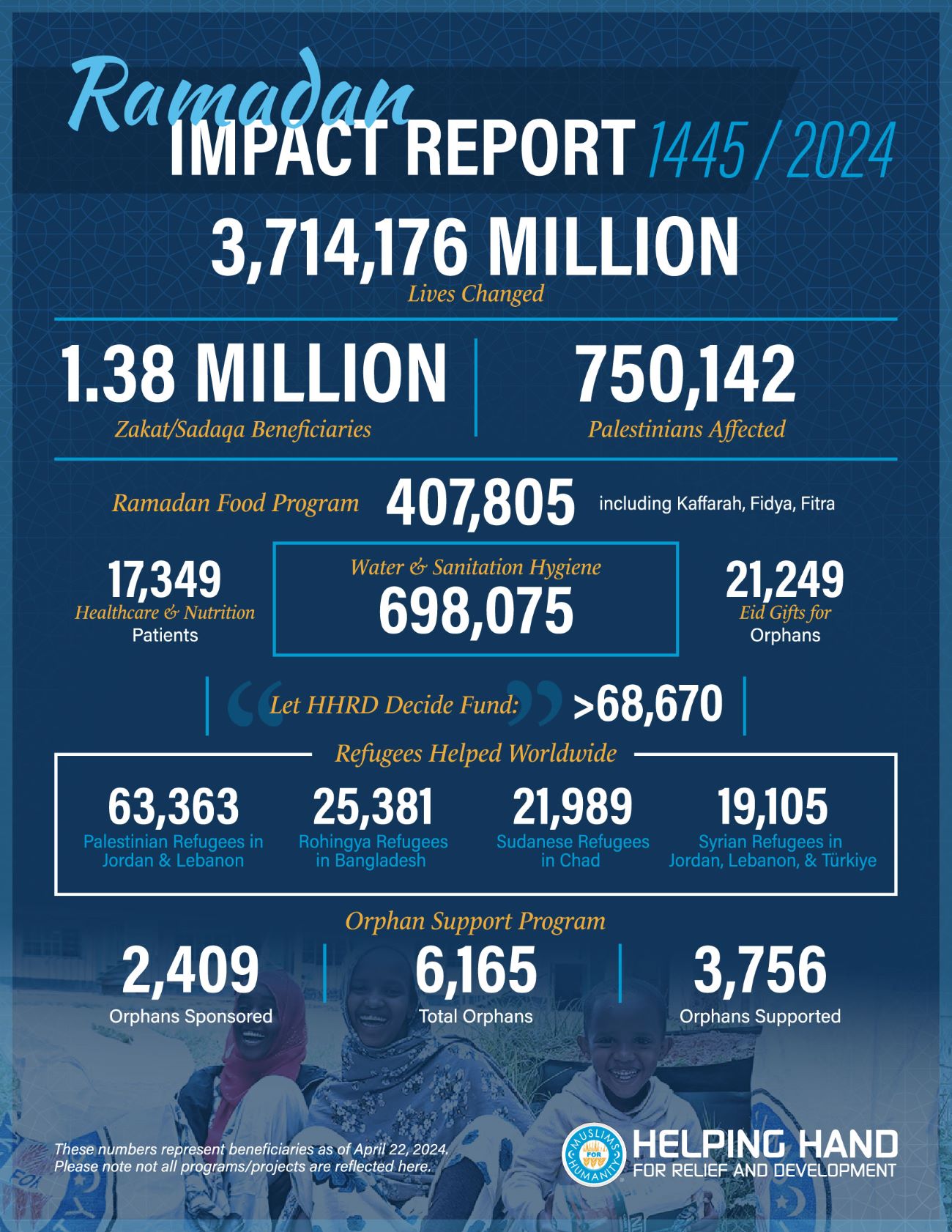
Ramadan Report 2024

Annual Report 2024

IRS forms 2023

Audit Report 2023

Annual Report 2023

The Impact of a Giver – Celebrating 20 Years with HHRD

This Ramadan, HHRD invited young voices from our community to share heartfelt reflections through our β€œRamadan Story Writing Competition.” The

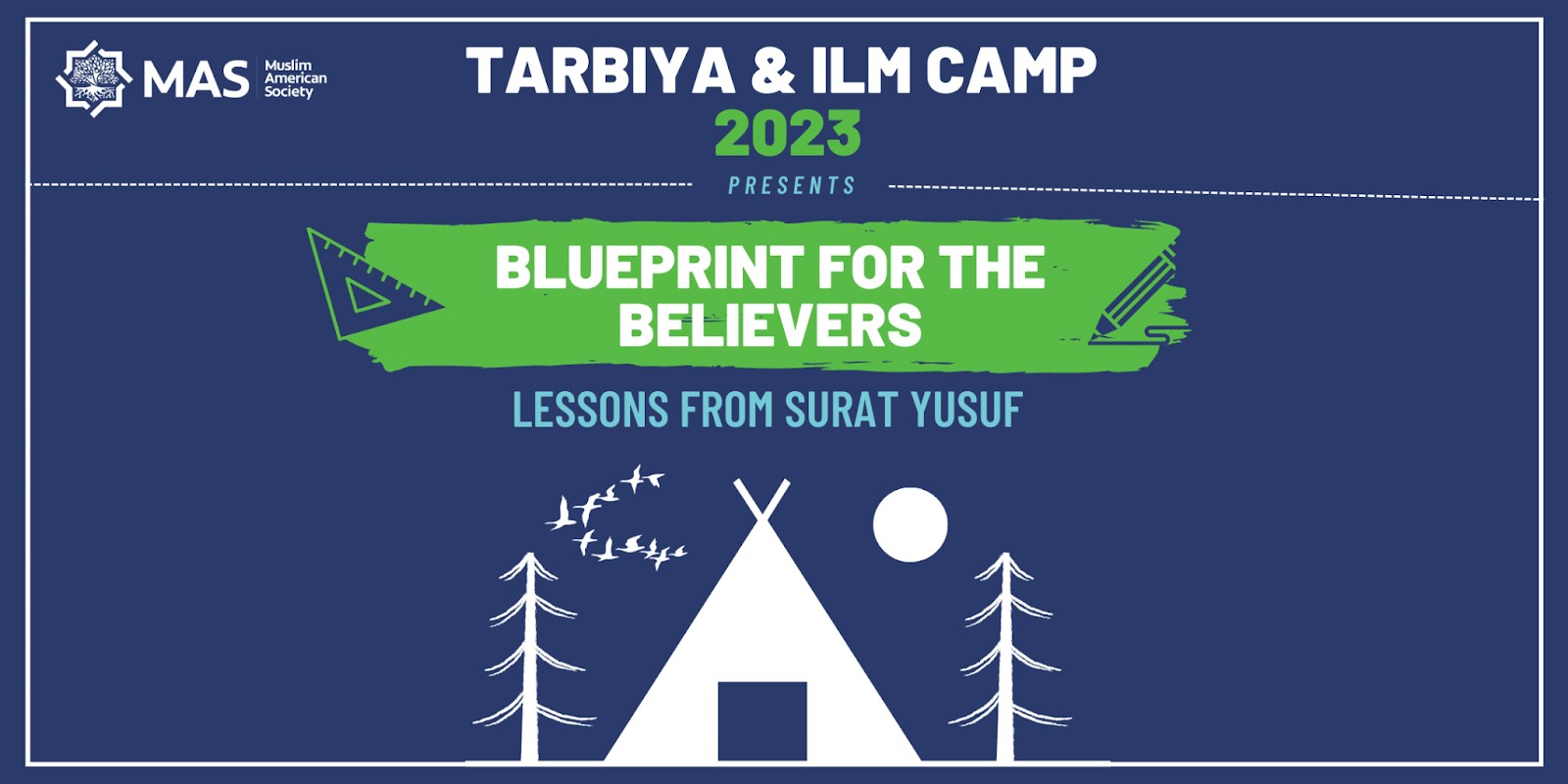
MAS Event Tarbiya & Ilm Camp: TIC West For an Unforgettable Experience

Muslim organization's events are always an unforgettable experience! The Muslim American Society (MAS) is proud to present the Tarbiya &

Our Gallery

Join the movement

Supporting Local Economies

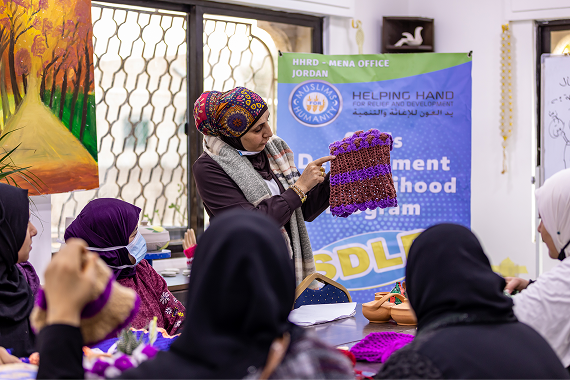
In many communities, paid work is seen as a man’s role, but HHRD’s Skills Development & Livelihood Program empowers women to earn with dignity too. Widows, women with disabled or imprisoned husbands, and others in need learn in safe, gender-friendly spaces. Courses focus on home-based businesses, are tailored to local economies, and include certificates, internships, and free transportation to help graduates start earning right away.
Some of the training opportunities include:

Β 

  • Tailoring & Embroidery
  • Web Design & Graphic Design
  • Accounting & Computer Operations
  • Henna Design & Handicrafts

Β 

Since its start, HHRD has opened many Skills Development Centers across Afghanistan, Pakistan, Kenya, Jordan, India, Nepal and other countriesβ€”serving thousands with pathways to self-reliance.Β 

Ratings & Accreditation

Your Cart

Your Cart