
Shelter Relief
When disaster strikes, HHRD responds with immediate shelter for families in crisis but we don’t stop there. From emergency tents to flood-resistant and solar-powered homes, we help communities rebuild with safety, stability, and dignity. From crisis to recovery, HHRD walks alongside families every step of the way.
Learning Centers (Jordan & Lebanon)
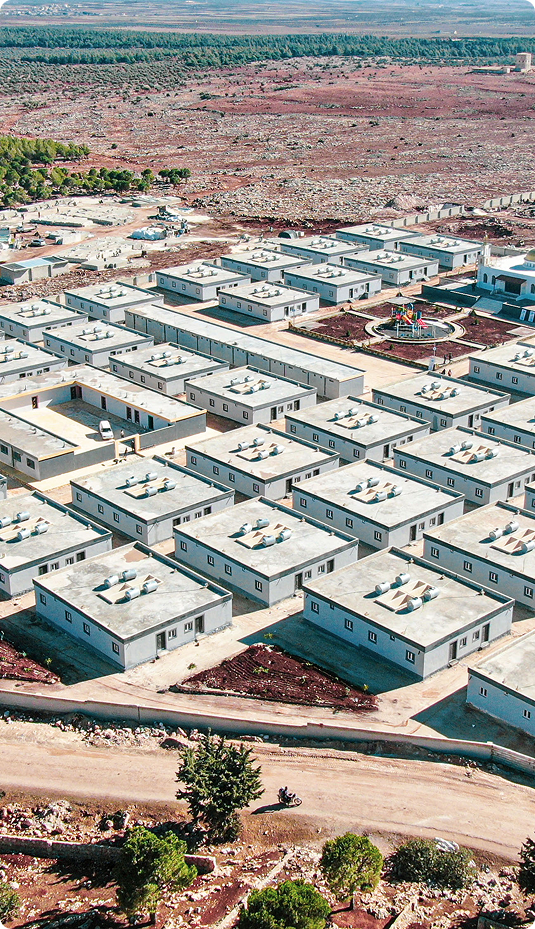
Caravan Homes (Syria)
Palestinian Home Renovations
Shelter Homes Rohingaya
Shelter Relief
Years and Counting
20
Total Beneficiaries
126,074
Structures Built
13,864
Rebuild Lives, Restore Dignity
In the wake of disaster and displacement, the Shelter Relief program offers more than walls; it gives from short-term relief to long-term sustainable solutions. From refugee camps in Jordan to earthquake-stricken villages in Syria and Morocco, we build homes that become sanctuaries. Each shelter is a testament to compassion: solar-powered, water-secure, and designed for families to heal, learn, and grow.
Donate Now!
As a leader to empower lives, creating opportunities and strengthen the bond of humanity.

What is Matching Gift Programs
Supporting Refugees with Safety and Dignity
A home is more than four walls. It’s where a child sleeps without fear, where a family gathers after loss, where dignity takes root again. Across Gaza, Syria, and Bangladesh, HHRD is providing that dignity with emergency tents, caravan homes for returning refugees, and solar-powered bamboo shelters for Rohingya families. In Jordan, we are renovating the crumbling homes of Palestinian families who have waited generations for safety. From the first night of crisis to the foundation of a forever home we build hope that lasts.
Our Work
In Syria, families returning to ruins after years of displacement are finding more than four walls. HHRD’s caravan homes built with galvanized steel frames stand firm against harsh winds and winter cold, offering returning refugees a dignified place to begin again.
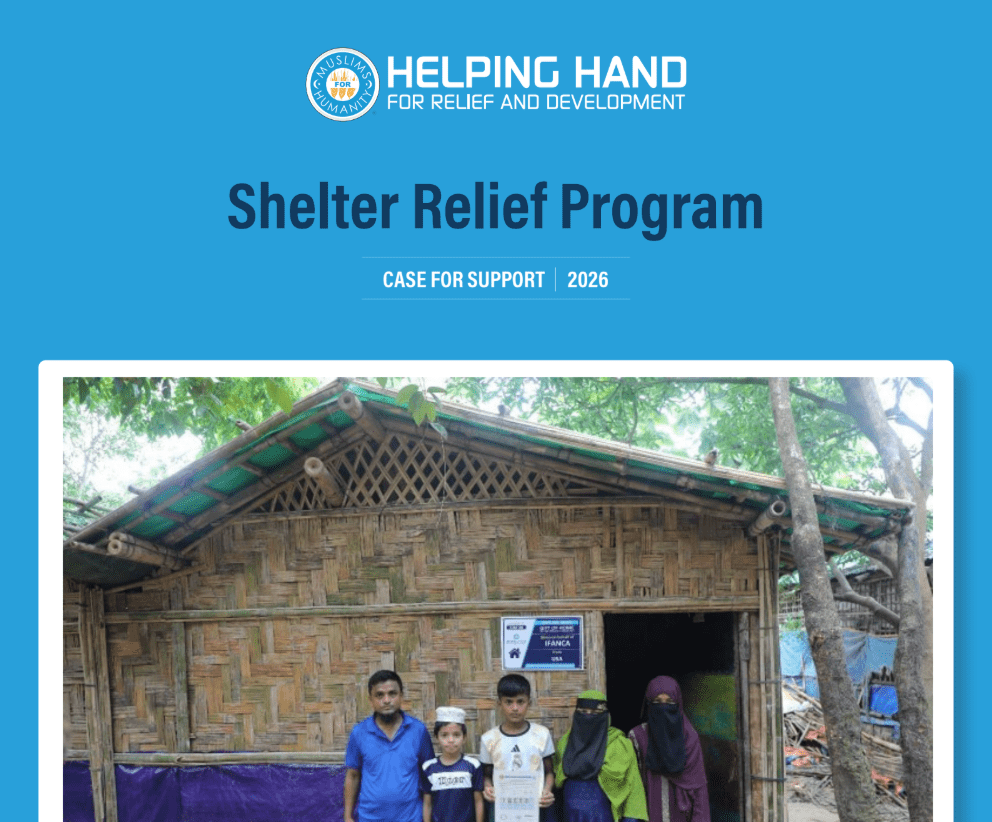
In Bangladesh, Rohingya refugees who fled genocide now raise their children in bamboo shelters with solid cement flooring and solar power strapped to the roof. For the first time in years, a mother can flip a switch and light up a room where her children study by night.
And across 13 camps in Gaza, Souf, and beyond, HHRD has been renovating homes for Palestinian refugees and local Jordanians since 2017, fixing leaking roofs, crumbling walls, and unsafe plumbing for families who cannot afford repairs. A renovated home means an elderly grandmother no longer sleeps in the damp. It means children grow up with walls that protect, not threaten.
In Pakistan, Afghanistan, and Cambodia, we are building permanent, weather-resistant homes for flood and earthquake survivors.
This is not just a home, it is an everlasting compassion.
impact story
Rebuilding Pakistan A Journey of Hope and Renewal
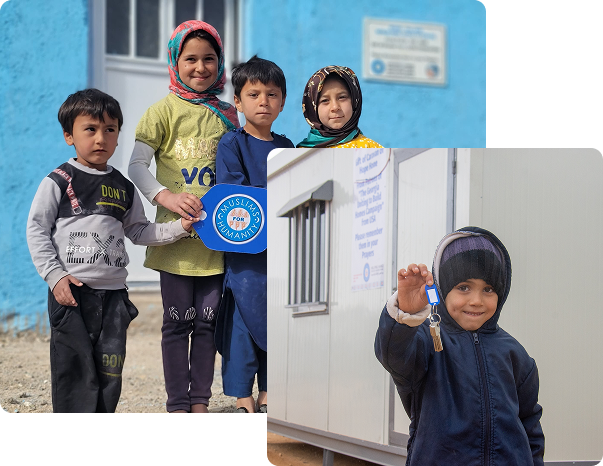
Like many others, Noha, her brother Adi, and cousins Yousef and Yahya watched their home in Gaza crumble to dust, leaving them with nothing but the cold ground and an open sky. When HHRD provided them with a tent, it became more than shelter; it became a symbol of safety, dignity, and hope. Today, they sleep in peace and dream of rebuilding their lives, thanks to the compassion of people like you.
Stay Informed
FAQ
As a leader to empower lives, creating opportunities and strengthen the bond of humanity.
Is my donation Zakat eligible?
Since the SRP beneficiaries are among the most vulnerable, including refugees, displaced families, and those living in extreme poverty, most scholars would allow Zakat to be used for this program. HHRD follows strict internal controls to ensure Zakat is distributed only to eligible recipients.
How do you choose which countries to work in?
How are beneficiaries selected?
Families are prioritized based on:
- Number of family members
- Number of children
- Presence of elderly, widowed, or disabled individuals
- Severity of current living conditions
- Level of displacement or loss
Where are the homes constructed?
SRP builds different types of shelters depending on local conditions:
- Caravan homes for Syrian refugees in camps, deserts, and returning communities
- Bamboo and tarpaulin shelters for Rohingya refugees in Bangladesh
- Brick and mortar homes for Pakistan flood victims
- Permanent homes in model villages like in Northern Syria
- Elevated, weather resistant homes for poor fishing families in Cambodia
Are the people who construct the homes of HHRD employees or local contractors?
If I make a general donation to the Shelter Relief Program, where does it go?
Are the homes located near the family’s previous shelter or far away?
Whenever possible, families receive homes close to their existing temporary shelters or original land. This helps preserve community ties and stability.
Do the homes come with electricity and running water?
Wherever possible, SRP connects homes to local electricity grids. In areas without access, solar panels are provided. Water is supplied regularly through tanks in the desert, and hand pumps are provided in the camps.
How do you determine where to build a Learning Center?
What support is HHRD providing to returning Syrian refugees?
Why do caravan homes instead of traditional shelters?
Where are the caravan homes constructed?
How does HHRD ensure construction quality and safety?
What makes HHRD’s work in Syria and Jordan unique?
How much does it cost to build a home?
Costs vary by country and materials:
- $950 – Shelter home with solar panel (Bangladesh)
- $4,000 – Caravan home for Syrian refugees
- $4700 – Renovation of Palestinian refugee homes in Jordan
- $10,575 – Learning Center for 28 students in MENA
Do donors receive updates or reports?
How does SRP ensure long-term sustainability?
- October 8, 2025
- No Responses
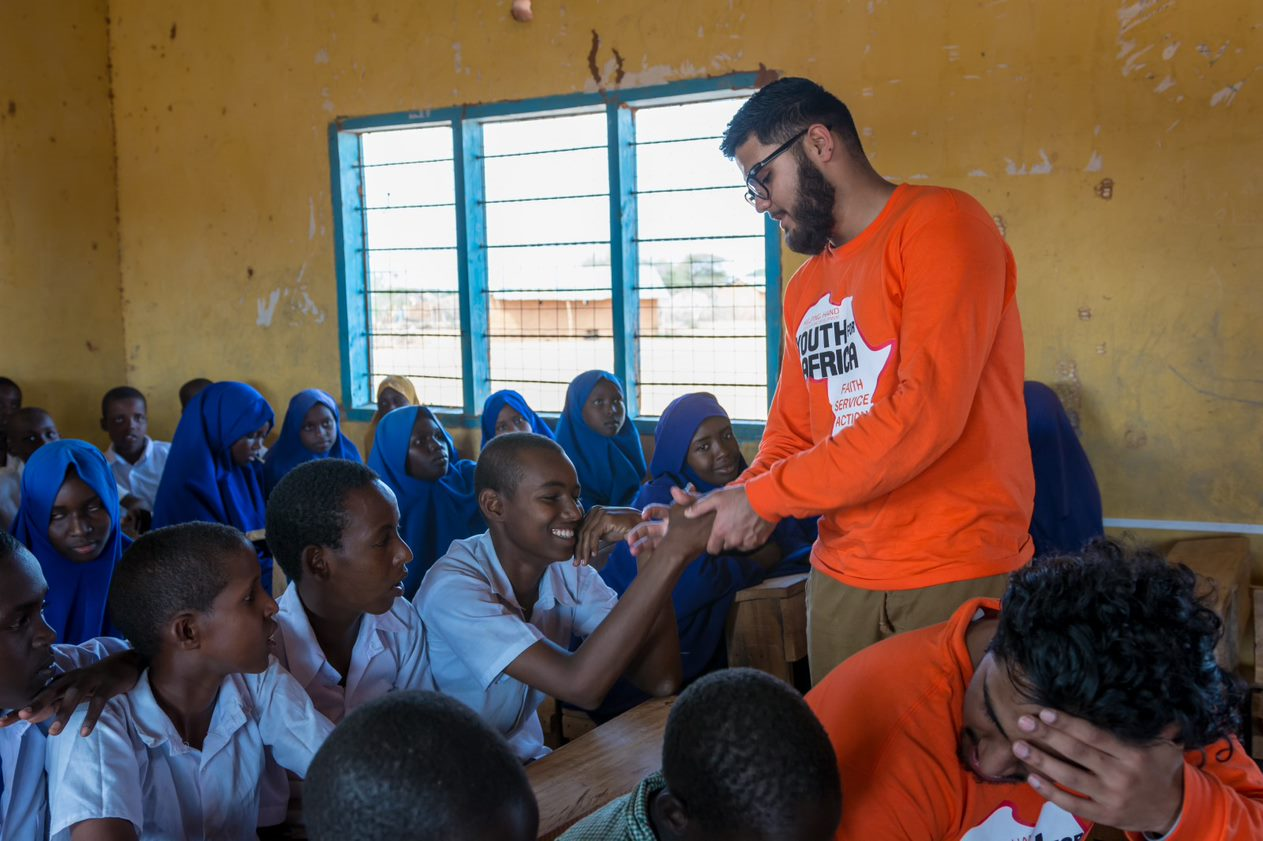
The Impact of a Giver – Celebrating 20 Years with HHRD
- January 23, 2024
- No Responses
MAS Event Tarbiya & Ilm Camp: TIC West For an Unforgettable Experience
Our Gallery
Join the movement
Help Build Healthy Communities
HHRD currently supports 2,700 children with disabilities across Pakistan, Jordan, Kenya, and Afghanistan. These children often face marginalization due to poverty, prejudice, and lack of services, preventing them from fully participating in society. Your contribution of $720 per year, or $60 per month, can help provide essential care, education, and opportunities, giving these children a chance to thrive with dignity and hope.
Ratings & Accreditation