
- Emergency Projects
All Emergency
Projects
All Emergency Projects
COUNTRIES
23
Cataract Surgeries in 2024
12,228
Total Beneficiaries in 2024
535,176
Give the Gift of
Sight with HHRD
Our flagship Prevention of Blindness program operates in 20 countries and serves 6 different refugee populations, making it one of our most widespread initiatives. Cataracts are the leading cause of blindness worldwide, yet surgery is often too expensive for vulnerable communities.
Donate Now!
As a leader to empower lives, creating opportunities and strengthen the bond of humanity.

What is Matching Gift Programs


Stay Informed
FAQ
As a leader to empower lives, creating opportunities and strengthen the bond of humanity.
What exactly is ERDM?
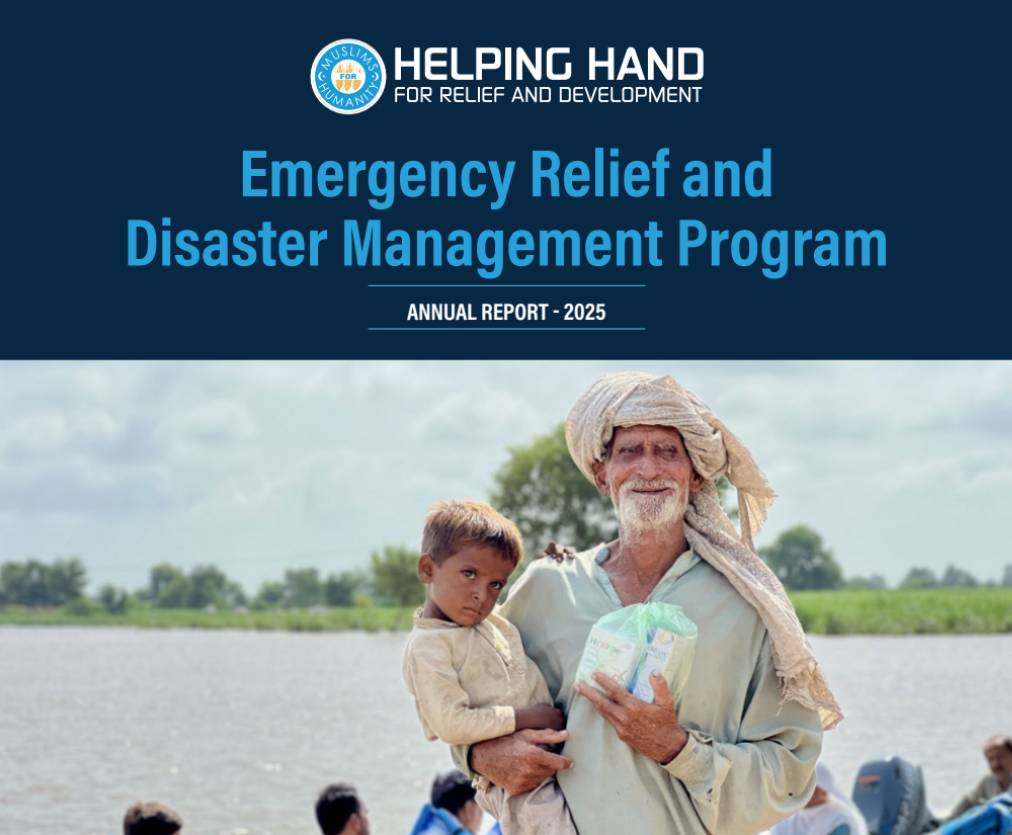
ERDM stands for “Emergency Relief and Disaster Management,’ a comprehensive initiative designed to address both the immediate and longterm phases of disasters. The program is divided into two interconnected components: Emergency Relief (ER) and Disaster Management (DM).
Emergency Relief focuses on rapid responses to disasters, providing immediate assistance such as food, water, medical supplies, temporary shelter and permanent shelter to alleviate suffering during the acute phase of a crisis. This initial response is characterized by urgency and aims to meet the basic survival needs quickly and efficiently.
Disaster Management involves strategic planning and the implementation of longer-term solutions to reduce risks, enhance resilience, and ensure sustainable recovery. This includes strengthening and training local communities for comprehensive recovery and future preparedness.
Together, these components work synergistically to provide a holistic response to disasters, ensuring that immediate needs are met while laying the groundwork for ongoing recovery and resilience.
How does the ERDM Team operate in a disaster?
When disaster strikes, communities can face severe devastation and urgent needs. HHRD’s ERDM team operates through a structured three-step process to effectively manage and mitigate the effects of disasters:
1. Emergency Relief Response: As soon as a disaster occurs, ERDM regional teams swiftly collect critical data about the disaster’s location, scope, and its impact on the population. The ERDM-USA Team collaborates with regional teams or implementing partners to rapidly deliver essential supplies. These include hot meals, clean water, clothing, shoes, mosquito nets, sanitary items, blankets, tents, medications, food packages, hygiene kits, and other crucial resources.
2. Rehabilitation Response: Following the initial emergency relief, HHRD initiates rehabilitation programs aimed at helping communities start their recovery process. Efforts in this phase may encompass building temporary shelter homes, deploying mobile medical clinics, providing psycho-social support, and other vital services to restore normalcy.
3. Development Response: In the final phase, HHRD focuses on long-term development and rehabilitation to ensure sustainable recovery. This includes constructing permanent housing, establishing medical and dental clinics, supporting educational and skill development programs, enhancing water and sanitation facilities, and providing specialized support such as aid for children with disabilities, nutritional programs, and community center construction.
Each phase of the ERDM operation is designed to transition smoothly from immediate relief to sustainable development, ensuring that affected communities receive comprehensive support tailored to their evolving needs.
Which kinds of immediate assistance does the ERDM team provide?
- Basic Needs and Shelter: Provision of hot meals, dry rations, medicine, heating materials, clean drinking water, and essential clothing. We also supply tents, blankets, and construct temporary shelters to provide safety and comfort.
- Health and Sanitation: Distribution of medical supplies and treatments, including essential medicines. We also deploy mobile medical units when needed and provide sanitary products to ensure hygiene and prevent disease outbreaks.
- Water Access: In areas where access to clean water is compromised, we implement solutions like water trucking, and distribute water filters and mosquito nets to protect against waterborne and insect-transmitted diseases.Logistical Support: Rapid deployment of food baskets, which include a variety of food items tailored to the dietary needs and cultural preferences of the affected population.
What types of calamities are covered under the ERDM programs?
ERDM programs are designed to address a wide range of emergencies, encompassing both natural and man-made disasters:
- Natural Disasters: These include hurricanes, typhoons, cyclones, floods, earthquakes, storms, and wildfires. Such catastrophes can lead to extensive damage to homes, infrastructure, and communities, leaving affected populations without shelter, food, clean water, and essential medical supplies. ERDM’s rapid response helps alleviate these immediate hardships and supports the recovery process.
- Man-Made Disasters: Wars, conflicts, and political unrest are prominent examples of man-made crises that forcibly displace people from their homes and countries, pushing them into extreme need. The consequences often include malnutrition, disease, gender-based violence, and trauma. ERDM programs provide crucial support to these populations, offering food, shelter, medical care, and opportunities for skill development and education to help them rebuild their lives.
By covering this broad spectrum of calamities, ERDM ensures comprehensive support is available to mitigate the impacts of both types of disasters, aiding in immediate relief efforts and long-term recovery.
What can | donate to the emergency relief campaigns?
Donating money is often the most efficient way to support emergency relief efforts. Monetary donations allow for swift allocation of resources to meet the urgent needs of disaster-affected communities. These funds are directed to HHRD’s field regional teams or our implementing partners on the ground, who are best positioned to assess and respond to local needs promptly. Additionally, financial contributions help minimize the logistical costs and complexities associated with transporting goods.
However, there are situations where in-kind donations are also valuable. For these specific needs, HHRD coordinates the collection and shipment of essential items such as clothing, shoes, medical supplies, and tents. We recommend checking our website or contacting our office to understand the current needs and how your in-kind donations can be most helpful.
By providing both monetary and physical item donation options, HHRD ensures that all contributions are utilized effectively to provide comprehensive support during emergencies.
How can | donate to an urgent relief campaign?
When a disaster strikes, HHRD swiftly launches special fundraising campaigns to aid those affected. To donate:
- Online: Visit our website at hhrd.org to quickly and securely donate. Our platform allows you to contribute directly to specific campaigns of your choice. = Mobile Payments: For convenience, you can also use mobile payment options available on our website, enabling you to donate even when you’re on the go.
- Phone: If you prefer to speak with someone, you can donate over the phone by contacting our marketing team, who can guide you through the process and provide information on current campaigns.
- Mail: Alternatively, you can send a check to our postal address, which is listed on our website under the ‘Contact Us’ section.
By providing multiple donation methods, HHRD ensures that supporting our urgent relief campaigns is accessible for everyone, regardless of your preferred donation method.
How long will you keep supporting the affected community?
The duration of HHRD’s support in a disaster-affected area is determined by the scale and complexity of the disaster itself. For large-scale disasters, such as the floods in Pakistan, earthquakes in Turkiye and Syria, or the ongoing drought and poverty crises in Africa, we commit to long-term development and rebuilding efforts. These extensive programs are designed to not only provide immediate relief but also support the sustainable recovery and rebuilding of communities over several years.
In contrast, smaller-scale disasters, such as the 2022 flooding in Malaysia or the Waheen Market Fire in Somaliland, might require a more concise period of intervention. The support in such cases focuses on immediate relief and short-term recovery efforts, typically lasting for a few months, based on the specific needs of the community.
Each intervention is uniquely tailored, considering the immediate needs, the long-term recovery goals, and the availability of resources. Our commitment is to remain present in affected communities as long as it is necessary to ensure a resilient recovery and return to normalcy.
Who are HHRD's key partners in delivering ERDM services?
HHRD collaborates with a diverse network of partners to deliver effective ERDM services. These include local and national governments, international NGOs, United Nations agencies, and community-based organizations. These partnerships allow us to leverage a broad spectrum of expertise and resources, enhancing our response capabilities and ensuring that our interventions are culturally appropriate and locally driven.
What training does the ERDM team undergo to prepare for emergencies?
ERDM team members undergo rigorous training programs that include disaster response techniques, crisis management, first aid, and post-disaster rehabilitation. Regular workshops and simulation exercises are conducted to keep our team prepared for various disaster scenarios. This training ensures our personnel are not only ready to act swiftly but can also manage complex situations effectively during emergencies.
How can volunteers get involved with ERDM efforts?
Volunteers play a critical role in our ERDM efforts, contributing their time and skills in various capacities. Volunteer opportunities are available in countries where ERDM works, but not in the USA. Individuals interested in volunteering can participate in disaster response teams, help in community training for disaster preparedness, or support our logistical operations. Prospective volunteers can apply through our website, where they can find information on current needs and training sessions.
What measures does ERDM take to ensure the sustainability of its development projects?
ERDM is committed to the sustainability of its development projects. We engage local communities from the outset, ensuring that they are active participants in both planning and implementation. Sustainability is also ensured through the integration of eco-friendly technologies and practices, and by training local leaders to manage and maintain these initiatives long-term, promoting resilience and self-sufficiency.
How does ERDM ensure the effectiveness and transparency of its operations?
To ensure effectiveness and transparency, ERDM employs strict monitoring and evaluation practices, including regular audits and detailed reporting. We maintain open lines of communication with our donors and stakeholders, and we implement beneficiary feedback mechanisms to refine and improve our programs continuously.
What are the most challenging aspects of disaster management that ERDM faces?
Among the most challenging aspects are rapidly changing disaster contexts, logistical constraints in delivering aid, and the complexities of coordinating with multiple stakeholders. Additionally, ensuring long-term recovery and addressing the psychological impacts of disasters pose significant challenges, requiring continuous adaptation and dedicated resources.
Can | designate my donation to support a particular aspect of ERDM’s work?
Yes, donors can designate their donations to support specific aspects of ERDM’’s work. When making a donation, you can specify whether your contribution should be directed towards emergency relief, healthcare, education, or any other specific area you are passionate about. This allows donors to support the causes that matter most to them.
How does ERDM tailor its response based on cultural and regional differences?
- October 8, 2025
- No Responses
The Impact of a Giver – Celebrating 20 Years with HHRD
- January 23, 2024
- No Responses
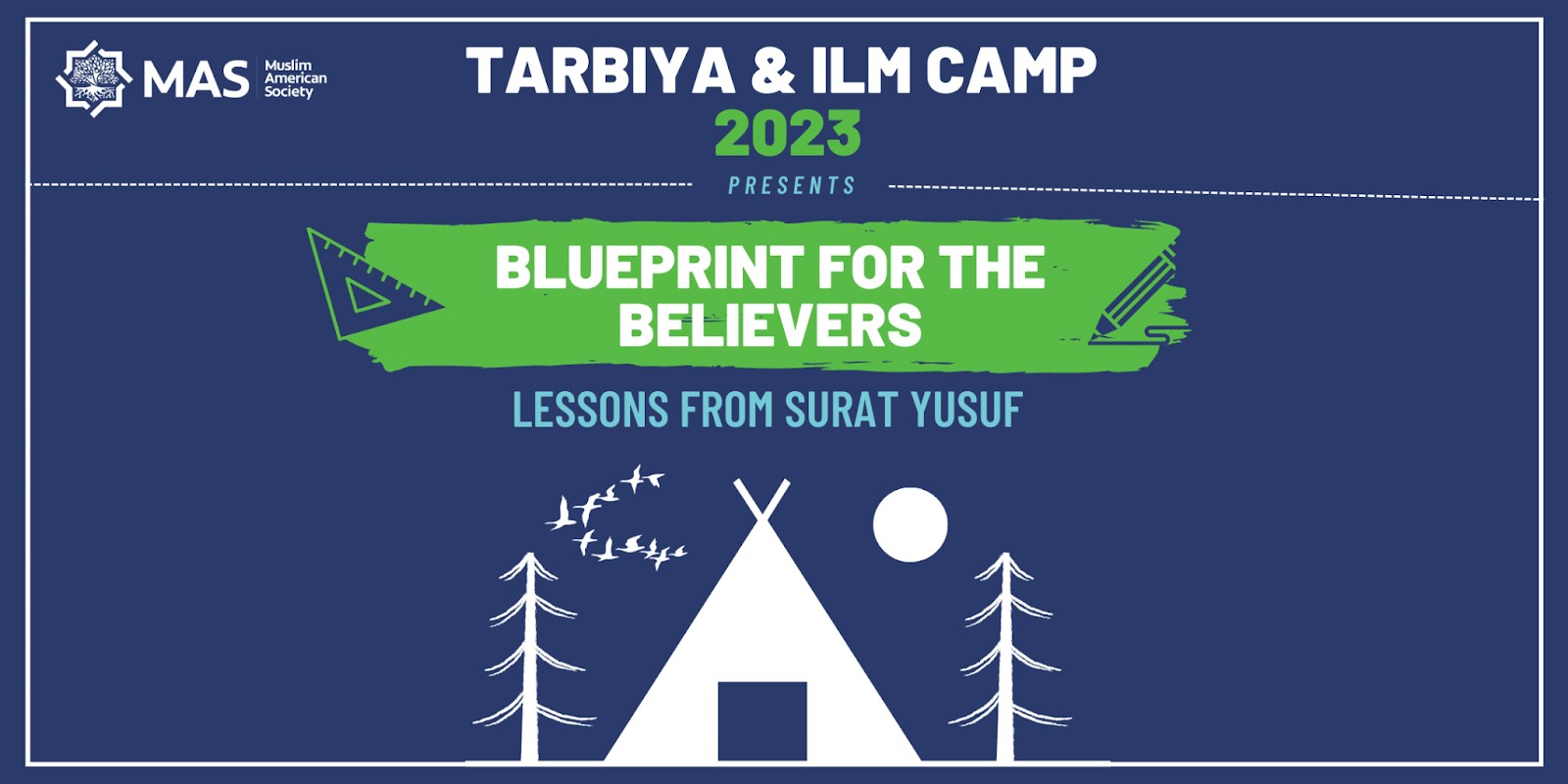
MAS Event Tarbiya & Ilm Camp: TIC West For an Unforgettable Experience
Our Gallery

Join the movement
Help Build Healthy Communities
HHRD currently supports 2,700 children with disabilities across Pakistan, Jordan, Kenya, and Afghanistan. These children often face marginalization due to poverty, prejudice, and lack of services, preventing them from fully participating in society. Your contribution of $720 per year, or $60 per month, can help provide essential care, education, and opportunities, giving these children a chance to thrive with dignity and hope.
Ratings & Accreditation